Why is my cat vomiting? Common causes and when to worry
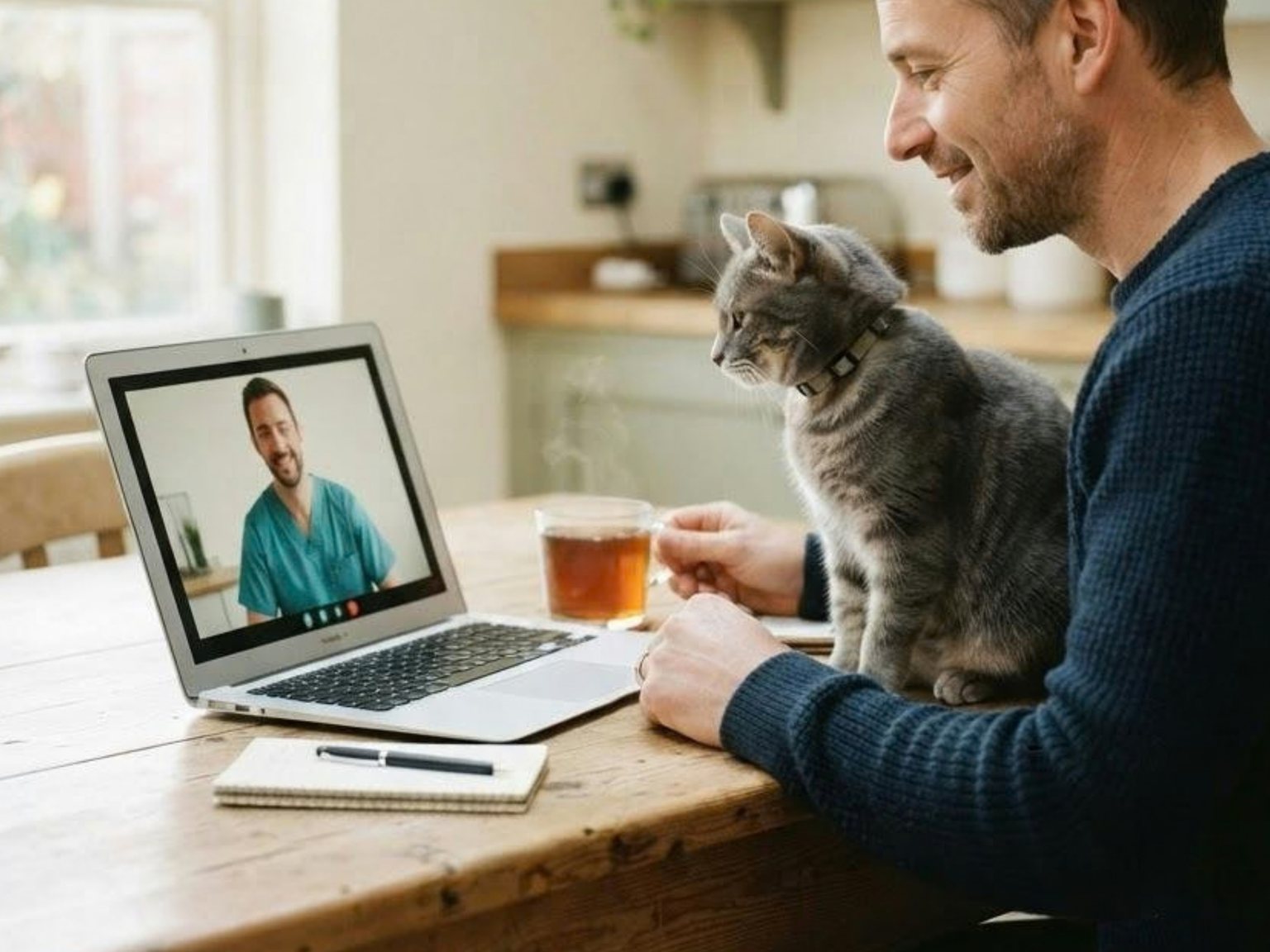
Most cat owners know the sound. That hacking noise from the landing at three in the morning usually means you’ll find something unpleasant on the one rug you care about. An occasional hairball, or a quick bring-up after your cat has bolted their breakfast, isn’t normally a worry. Being sick regularly isn’t normal for a cat, though, even if many owners come to accept it as just something their cat does.
Vomiting is one of the 30 most common problems vets see in UK cats, according to a Royal Veterinary College VetCompass study of more than 18,000 cats. With 11.7 million pet cats in the UK, and 56% of cat owners telling Cats Protection’s CATS Report 2026 that they don’t visit the vet as often as they’d like, plenty of owners are left guessing about whether a sick cat needs help.
Common reasons cats are sick
Eating too fast is one of the most common causes. Food that comes straight back up within minutes of a meal, often whole and in a sausage shape, is usually regurgitation rather than true vomiting, and it’s typical of cats who gulp their food or share a house with other cats and feel they need to eat quickly.
Hairballs are another everyday cause, particularly in long-haired cats and during moulting season. A sudden change of food, a new treat, or eating grass and houseplants can upset the stomach too. Some cats have a food intolerance that shows up as regular vomiting, sometimes with loose stools.
Then there are the causes that need a vet. Cats sometimes swallow string, hair ties or bits of toy, which can cause a blockage. Lilies are extremely dangerous, and International Cat Care warns that every part of the plant, including the pollen and the water in the vase, can cause kidney failure in cats. Longer-term conditions such as inflammatory bowel disease, kidney disease, an overactive thyroid and diabetes can also cause vomiting, particularly in middle-aged and older cats.
What your cat’s sick can tell you
It isn’t pleasant, but having a look before you clean up gives a vet useful clues. Taking a photo helps too. Undigested food soon after a meal points towards eating too fast or regurgitation. Yellow liquid or froth is usually bile, which often appears when a cat is sick on an empty stomach, such as first thing in the morning. White foam can mean the stomach was empty or slightly irritated. A tube of matted fur is a hairball. If you book a video call with a Lewis Vet, you can show them your photos and talk through what you found.
Blood, either red streaks or dark material that looks like coffee grounds, needs a vet’s attention promptly, as does anything that smells strongly of faeces.
When to call a vet straight away
Speak to a vet the same day if your cat:
- is sick several times in a day or can’t keep water down
- has blood in their sick
- seems flat, is hiding away or isn’t interested in food for more than 24 hours
- may have eaten a lily, string, medication or anything else harmful
- is straining in the litter tray or passing little or no urine, which is an emergency, particularly in male cats
- has a swollen or painful tummy
- is a kitten, an older cat or has a known health condition
Cats don’t cope well with going without food, so a cat who’s stopped eating needs attention sooner than a dog would. If you can’t tell whether your cat needs to be seen today, a call with a Lewis Vet is a quick way to find out, and Talk to a vet now is open from 4am until midnight, every day. For straining in the litter tray or no urine, don’t wait for a call. Go straight to your nearest vet.
If your cat is sick often but seems fine
This is the situation many owners live with for years. Their cat is eating well, still demanding breakfast at five in the morning, but brings food or fur back up once or twice a week. It can be something simple, like eating too quickly, a hairball problem or a food that doesn’t suit them, and a few changes at home may sort it. It’s also the kind of thing that’s easy to forget to mention at the annual booster, and it’s an ideal question to bring to a Lewis Vet on a video call.
In older cats, regular vomiting can also be an early sign of kidney disease or an overactive thyroid. Kidney disease is very common in later life, and the 2026 iCatCare guidelines on chronic kidney disease note studies finding it in between 28% and 81% of cats over 12. Picking it up early gives you more options, and we’ve written more about caring for an older pet if your cat is getting on.
What to note before you speak to a vet
A few details make it much easier to work out what’s going on. Note how often your cat has been sick and whether it happens before or after meals. Think about anything that’s changed recently, such as a new food, treats, plants in the house, builders, a new pet or a house move, and whether your cat goes outdoors. Changes in drinking, weight, sleep or litter tray habits are useful to mention too. Jot it all down before your call and the vet can get to the bottom of it much faster.
How a Lewis Vet can help
A Lewis Vet can talk this through with you over video, look at your photos and your cat, and help you decide whether it can be managed at home or needs an in-person examination and tests. For gulpers, simple things like smaller meals more often, a slow feeder or a puzzle feeder can make a big difference, and we can help you plan a food trial if an intolerance looks likely. If you’re thinking about a change of diet, including fresh or raw food, our vets can talk that through too.
For cats who hate the carrier, being able to start with an online vet appointment at home means one less stressful trip. If we think your cat needs to be seen, we’ll tell you plainly and point you to a local practice.
Time to talk it through with a Lewis vet
£52 for an unrushed video consultation with a UK registered vet at a time that suits you, or £55 to talk to a vet now, from 4am until midnight every day.
Book a video consult Talk to a vet now