My pet has diabetes. How do I manage it at home?
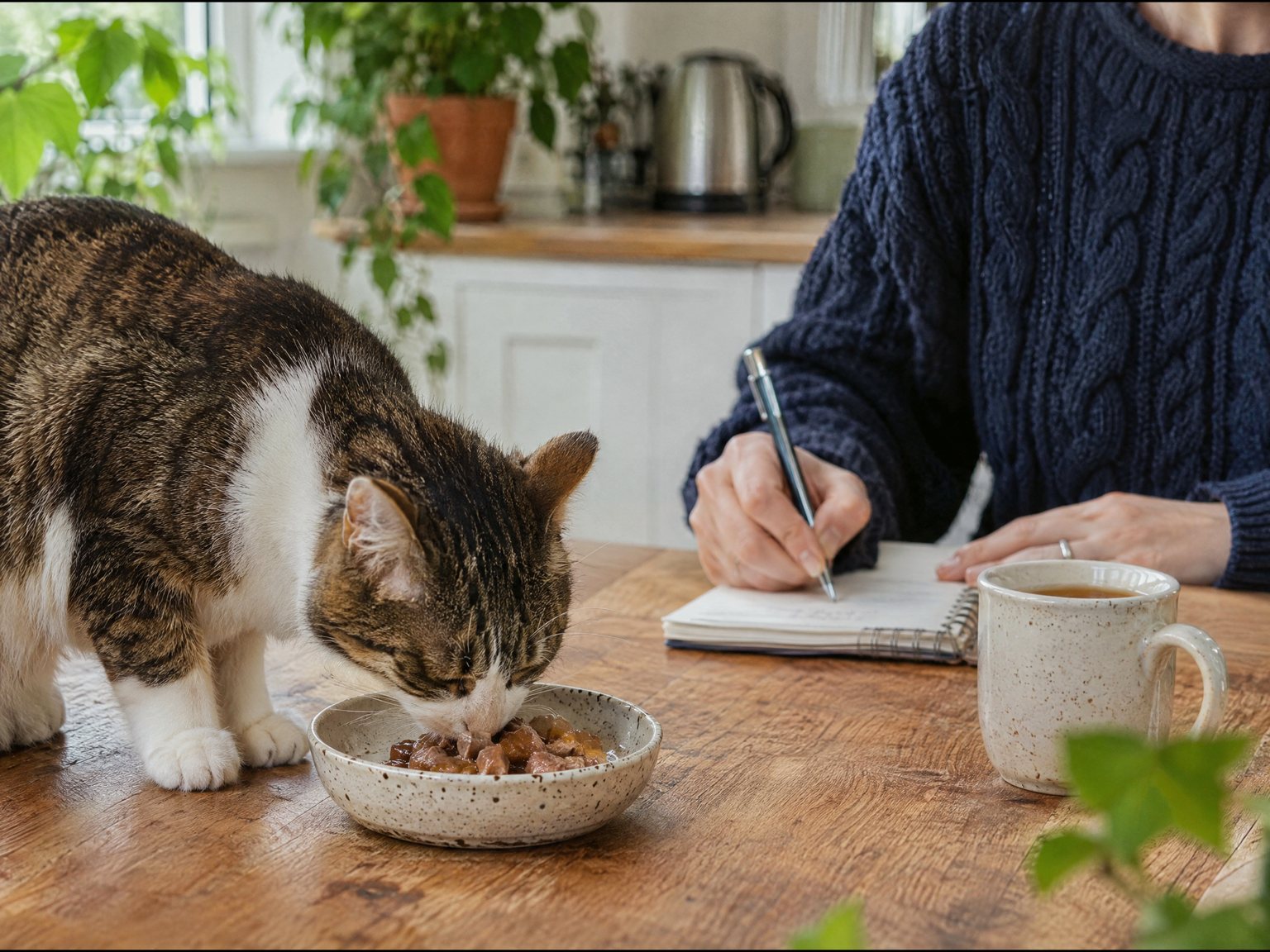
Hearing that your cat or dog has diabetes can be a lot to take in, especially when you leave the practice with a bag of insulin and syringes and a list of instructions you’re trying to remember on the drive home. Most owners find their rhythm within a few weeks, though, and plenty of diabetic pets go on to live long, comfortable lives with the right routine at home.
Diabetes is more common than many people realise. Research from the Royal Veterinary College found that around 1 in 250 cats in the UK live with diabetes each year, and cats aged nine and over are at much higher risk. In dogs aged three and over it affects roughly 1 in 400, with Border Terriers and West Highland White Terriers more likely to be diagnosed.
What diabetes means for your pet
Diabetes happens when the body either doesn’t make enough insulin or can’t use it well, so sugar builds up in the blood instead of being used for energy. That’s why so many pets with diabetes drink and wee far more than usual. They often seem hungry all the time and lose weight anyway.
Dogs usually have a form similar to type 1 diabetes in people, so they need insulin for life. Cats more often have something closer to type 2, which is linked to weight and diet. That difference matters, because some cats go into remission if their diabetes is brought under control early and no longer need insulin at all. Some cats are also now treated with a once-daily oral medicine instead of injections, if they’re a suitable candidate. Your vet will explain what’s realistic for your pet.
Getting into an insulin routine
Most pets on insulin have their injections twice a day, about 12 hours apart, alongside a meal. A routine that fits around your household is much easier to stick to, so think about whether 7am and 7pm suit you better than 8 and 8 before you settle on times.
- Check your pet has eaten before you inject, unless your vet has told you otherwise.
- Prepare the insulin as your vet showed you. Some insulins need gentle rolling rather than shaking, so check the instructions for yours.
- Give the injection under the loose skin, moving the spot slightly each time.
- Write down the time and dose, plus anything unusual.
- Put the used needle straight into a sharps bin, which your practice can usually supply.
Keep insulin in the fridge (not in the door), and never change the dose yourself, even if your pet seems better or worse. If you miss a dose, or you’re not sure whether a dose went in, don’t give an extra one to make up for it. Give the next one at the usual time and let your vet know.
Lots of owners feel nervous about injecting at first. If you’d like to go over your technique, or talk through how the first week has gone, a Lewis Vet can do that with you on a video call while your pet is right there beside you.
Feeding a diabetic cat or dog
Food and insulin work together, so consistency matters more than almost anything else. Feed the same amount of the same food at the same times each day, and try to keep treats out of the picture between meals.
For cats, vets often recommend a high-protein, low-carbohydrate diet, usually wet food or a prescription diabetic diet. If your cat is carrying extra weight, losing it gradually can make a big difference to how well their diabetes is controlled and to their chances of remission. Dogs tend to do well on a consistent diet their vet is happy with, sometimes one that’s higher in fibre, along with a similar amount of exercise each day. A long hike at the weekend after a week of short walks can throw their blood sugar out.
Please don’t switch foods suddenly, as a change in diet can change how much insulin your pet needs. Our vets are happy to talk through diet, weight and supplements with you, and you can ask about complementary therapies that might support your pet alongside their insulin. They’ll give you advice on what the evidence supports so you can make an informed decision.
Keeping an eye on things at home
Monitoring helps your vet work out whether the dose is right, and your notes from home are a big part of that. Depending on your pet, it might include:
- measuring how much water they drink over 24 hours
- weighing them every couple of weeks
- noting their appetite and energy
- checking blood glucose at home, often with a tiny prick on the ear
- using urine test strips, or special litter for cats
- wearing a glucose sensor for a couple of weeks, which some practices now fit
A notebook by the fridge or a note on your phone works well, and it’s useful to bring along to every recheck. Diabetic dogs are also prone to cataracts, so mention any cloudiness in their eyes or bumping into furniture.
Signs your pet’s blood sugar may be too low
Low blood sugar (hypoglycaemia) is the most serious risk with insulin and needs acting on straight away. Look out for wobbliness, weakness, trembling or twitching, confusion, unusual sleepiness or a seizure.
If you see these signs and your pet can eat safely, offer them some food. If they can’t, rub a little honey or glucose syrup onto their gums, then contact your usual vet or an emergency vet immediately. Ask your vet for a plan for this when your pet is first diagnosed, so you’re not working it out in a panic.
Cats that go into remission are particularly at risk of low blood sugar if their insulin carries on at the same dose, which is another reason regular monitoring matters so much.
Planning for everyday life
You’ll need someone who can give injections if you’re away or working late, and it’s sensible to check that your pet sitter or boarding cattery is confident with insulin before you book. Keep a spare supply of insulin and syringes so you never run low over a bank holiday, and take a photo of the insulin label and dose in case someone else needs to step in.
Questions after a diabetes diagnosis
Questions tend to pop up once you’re home. Is it normal that she’s still drinking a lot? Should he be this sleepy after his injection? Why does the insulin seem to work some days and not others? Can I still give him a chew?
Talking things over with an online vet can make those first few months easier. A Lewis Vet can help you make sense of what you’re seeing at home, or run through the results from your last recheck to help you understand them and answer any other questions you might have. Consultations last up to 30 minutes, so there’s time to go through your notes together. Afterwards we email you a summary and next steps, and you get a free follow-up within 12 hours if something else comes up. If your pet needs to be examined or their medication changed, we’ll point you to your usual vet or a local practice.
If you’d like to talk through your pet’s diabetes with a vet, you can book a video consultation with a Lewis Vet, with no app to download. You can usually be seen within 10 minutes, or schedule a time that suits you.
Time to talk it through with a Lewis vet
£52 for an unrushed video consultation with a UK registered vet at a time that suits you, or £55 to talk to a vet now, from 4am until midnight every day.
Book a video consult Talk to a vet now