How to get rid of fleas on your pet and in your home
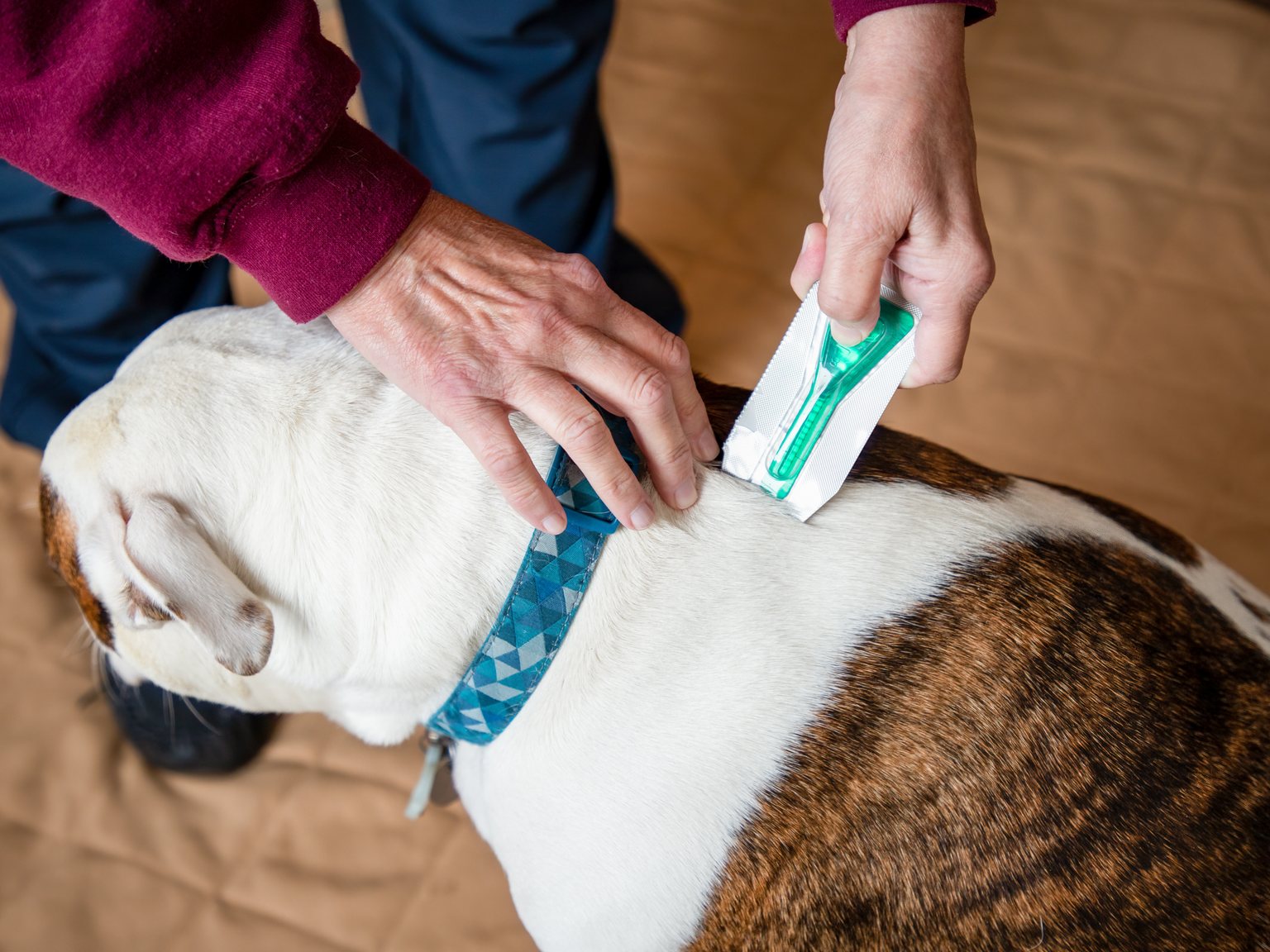
Finding fleas on your dog or cat is one of those moments that makes your skin crawl. You notice a bit more scratching than usual, part the fur and see something tiny and dark scuttle away, and before long you’re eyeing up the sofa and wondering about the bed. It’s a very common problem and it can be sorted, but it usually takes more than one dose of treatment on one pet.
Fleas are more common than most owners think. The Big Flea Project, a University of Bristol study that checked 812 cats and 662 dogs at 326 UK vet practices, found fleas on 28% of the cats and 14% of the dogs, and around 11% of the fleas collected were carrying bacteria that can cause disease. Flea infestation also comes up as one of the most common problems vets record in UK cats in the Royal Veterinary College’s VetCompass research, particularly in younger cats.
How to tell if your pet has fleas
Scratching and nibbling are the obvious signs, especially around the lower back and the base of the tail. You might also spot flea dirt, which looks like specks of black pepper in the coat. To check, comb your pet over a sheet of damp white kitchen roll. If the specks spread into reddish-brown smudges, that’s digested blood and you’ve found fleas.
Cats are tidy groomers and often swallow the evidence, so with a cat you’re more likely to notice over-grooming or small crusty scabs along the neck and spine, sometimes with thinning fur on the belly. And if you’re getting small itchy red bites around your ankles, the fleas have probably moved into the house as well. If you’ve tried the kitchen roll test and still aren’t sure what you’re looking at, a Lewis Vet can check your pet’s coat with you over video.
Why fleas keep coming back
The fleas you can see on your pet are only part of the problem. Adult females lay eggs in the coat, the eggs drop off wherever your pet lies down, and they hatch into larvae that hide in bedding, carpets, gaps in floorboards and under sofa cushions. The larvae then spin cocoons and can sit there for weeks or months, waiting for the warmth and vibration of a passing pet or person before they hatch.
That’s why a single treatment can seem to work, only for the scratching to start again a few weeks later. Central heating doesn’t help either, because fleas carry on breeding indoors right through the winter, and plenty of owners see a flare-up in autumn once the heating goes on.
How to get rid of fleas in the house
- Treat every dog and cat in the house, including the ones who aren’t scratching, with a product made for that species. Rabbits and ferrets can carry fleas too and need their own treatment.
- Wash all pet bedding on a hot wash, and throw away anything that’s badly infested.
- Vacuum every day for a couple of weeks, including the sofa, under furniture, along skirting boards and inside the car. Empty the vacuum outside straight away. The vibration also encourages cocooned fleas to hatch, so they jump onto a treated pet and die.
- Use a household flea spray if your vet suggests one, and follow the label carefully. Some aren’t safe near fish tanks or birds.
- Keep treating on schedule. Breaking the whole life cycle can take up to three months, so stopping when the scratching settles is the usual reason fleas come back.
Choosing a safe flea treatment
Flea products come as spot-ons, tablets and collars, and they vary a lot in what they kill and how long they last. A product that’s right for a young indoor cat may not suit a farm dog who’s out in the fields every day, so it helps to choose with your pet’s lifestyle in mind.
Never use a dog flea treatment on a cat. Many dog spot-ons contain permethrin, which is highly toxic to cats, and International Cat Care warns that cats can be poisoned just by close contact with a dog who’s recently been treated. Twitching or fitting after flea treatment needs an emergency vet straight away.
If your dog loves a swim, bear in mind that in October 2025 the BVA, BSAVA and BVZS updated their advice on spot-on treatments. They now recommend that spot-ons aren’t used on pets likely to swim or be bathed after treatment, because chemicals such as fipronil and imidacloprid wash off into rivers and harm wildlife. A tablet is often a better fit for water-loving dogs. The BVA’s guidance on responsible use of parasiticides also asks owners to talk to their vet about treating according to their own pet’s risk, rather than following one routine for every animal. A Lewis Vet can go through your pet’s lifestyle with you, whether that’s a dog who’s in the river every weekend or a cat who never leaves the house, and suggest a treatment that fits.
A lot of owners ask us about natural flea treatments too. Some can help as part of a wider plan, but take care, because tea tree and several other essential oils can be harmful to cats. Check with a vet before trying anything new, particularly in a house with cats. Our vets are happy to talk through natural and complementary options alongside conventional flea treatment, and give you an independent view on what the evidence supports, so you can decide what’s right for your pet. You can book a call with a Lewis Vet at a time that suits you.
When it might not be fleas
Not every itchy pet has fleas. Allergies to pollen or food, other parasites such as mites, and skin infections can all look much the same. Some pets have a flea allergy, where a single bite sets off days of intense itching, so you may never actually find a flea on them.
If your pet is losing fur, has red or sore skin, keeps shaking their head or scratching their ears, or is still itchy after you’ve treated every pet and the house, something else may be going on and it needs a vet’s opinion. A Lewis Vet can look at the problem areas on camera, help you work out what’s likely to be behind the itching and tell you whether tests at a local practice would help.
Getting flea advice from home
In homes where cats and dogs live together, getting flea products mixed up can be dangerous, so it helps to have a plan that covers every animal in the house. A Lewis Vet can help you put that together. If we think your pet needs a hands-on examination or skin tests, we’ll tell you and point you to a local practice.
If you’re fed up with scratching and want a plan that works, book a video consultation at a time that suits you.
Time to talk it through with a Lewis vet
£52 for an unrushed video consultation with a UK registered vet at a time that suits you, or £55 to talk to a vet now, from 4am until midnight every day.
Book a video consult Talk to a vet now