How to care for your older pet as they start slowing down
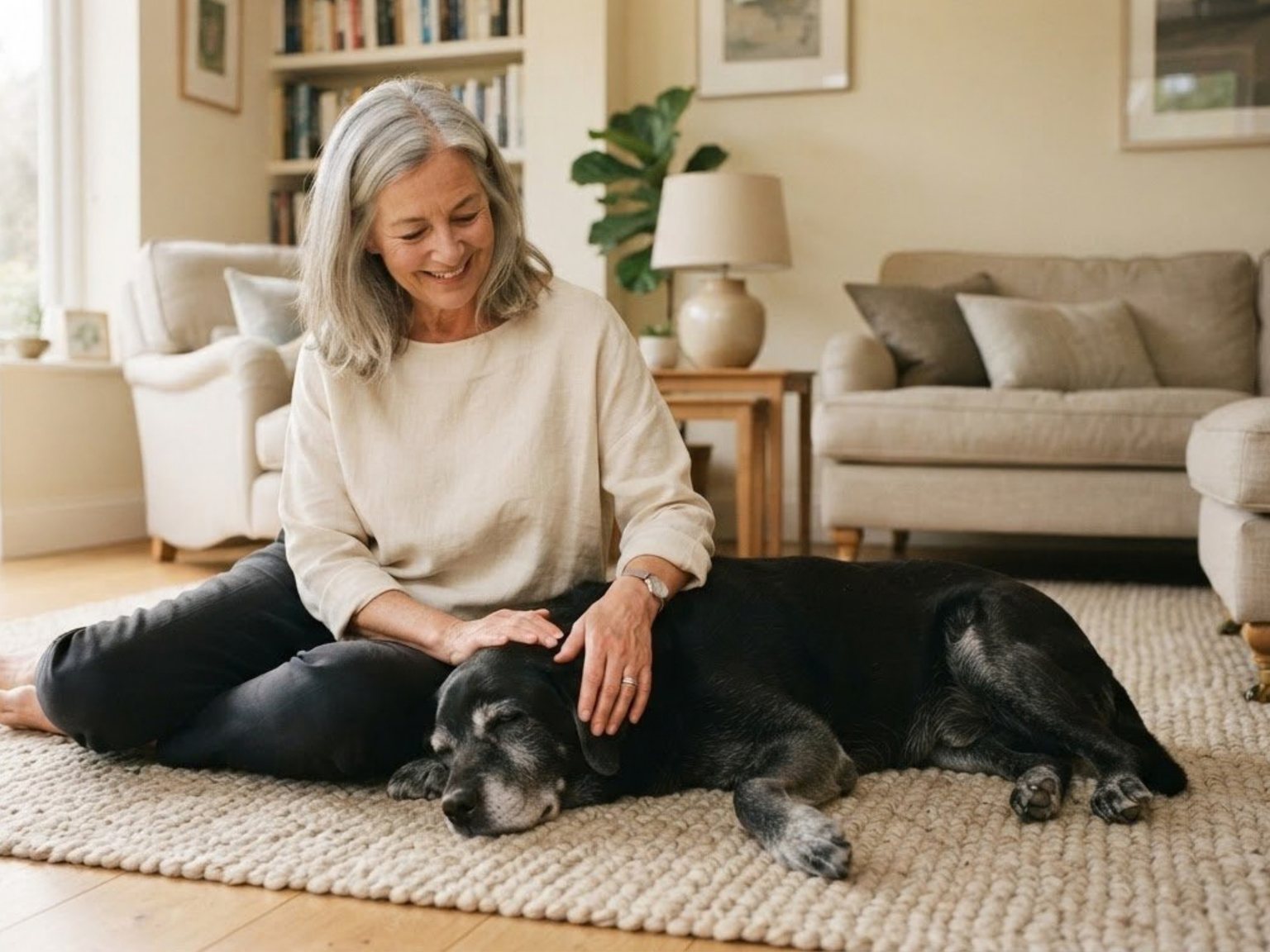
Older pets have a way of becoming the centre of the household, whether it’s a grey-muzzled dog who knows your routine better than you do or a cat who’s claimed the same spot on the bed for ten years. They often get calmer and more affectionate with age, but they also need a bit more help to stay comfortable, and the changes can creep up so slowly that they’re easy to miss.
Research from the Royal Veterinary College puts the average life expectancy of a UK dog at just over 11 years, with Jack Russell Terriers averaging nearly 13, and UK cats at 11.7 years, with Burmese and Birmans averaging over 14. Plenty live well beyond that. Cats are generally thought of as senior from around 11, while for dogs it depends on size, with giant breeds getting older from six or seven and smaller dogs often not until ten or later.
Signs your older pet needs more support
Slowing down a little is normal. Some changes are easy to put down to old age when there’s something treatable behind them, so look out for:
- stiffness when getting up, or reluctance to use the stairs or jump onto the sofa
- a cat who’s stopped using high places or misses the litter tray
- weight loss, or drinking and weeing more than usual
- restlessness at night, pacing, or seeming confused in familiar places
- new anxiety, clinginess or grumpiness
- bad breath, dropping food or chewing on one side
- new lumps and bumps
Arthritis is a good example of something that often goes unnoticed. VetCompass research from the RVC estimates that around 200,000 UK dogs are affected by osteoarthritis each year, with an average age at first diagnosis of 10.5 years, and found overweight dogs were 2.3 times more likely to have it. Cats get arthritis too, but they hide it well, so the signs tend to show up as changes in habits rather than an obvious limp. If you’ve spotted some of these changes and aren’t sure whether it’s just age, a Lewis Vet can watch your pet moving around on video at home, where they’re relaxed and behaving as they normally would.
Small changes at home
A few adjustments can make daily life a lot easier for an older pet. A thick, supportive bed in a warm spot away from draughts helps stiff joints, and rugs or runners on laminate and tiled floors stop them slipping. Ramps or pet steps up to the sofa or the car save their joints from jumping, and for cats, a litter tray with a low side and food and water on every floor of the house means fewer trips up and down the stairs.
Older dogs usually cope better with shorter, more frequent walks than one long one, and a slow sniffy wander can tire them out as much as a run used to. Puzzle feeders and gentle games keep their minds active. Older pets often find comfort in routine, so keeping mealtimes, walks and bedtime predictable helps, particularly for pets who are becoming a little confused. Because a Lewis Vet sees your pet in their own home, they can look at the setup with you on the call and suggest the changes that would help most.
Diet and weight in later life
Nutritional needs change with age, and a “senior” label on a bag of food doesn’t mean it suits every older pet. Less active dogs can put on weight easily, which puts extra strain on their joints, while many older cats go the other way and start losing weight and muscle. In Cats Protection’s CATS Report 2026, 30% of owners said their cat was overweight, so it’s a common problem at both ends.
Weighing your pet once a month is one of the most useful things you can do, because gradual weight loss is easy to miss when you see them every day. Dental problems can also put older pets off their food. If your pet is becoming fussier or losing weight, their diet is a good place to start, whether that means a different food, adding moisture, looking at supplements such as omega-3s or joint support, or a prescription diet for a condition like kidney disease. Our vets can go through the options with you, including fresh and raw feeding, and help you choose what suits your pet’s age and health.
Regular check-ups
Many vets recommend checking older pets every six months rather than once a year, because problems can develop quickly in later life. Blood and urine tests can pick up conditions like kidney disease before your pet shows obvious signs. That matters most in cats, where the 2026 iCatCare guidelines on chronic kidney disease note studies finding it in between 28% and 81% of cats over 12. If your older cat has started vomiting more, drinking more or losing weight, mention it to your vet.
Keeping a simple diary of appetite, weight, mobility and anything unusual makes those appointments much more productive. If your pet seems more tired than usual, a note of when it started and what else has changed helps your vet spot a pattern. Between check-ups, a Lewis Vet can help you decide whether a change you’ve noticed can wait or should be seen sooner.
Pain relief and complementary therapies
Modern pain relief has made a big difference to older pets with arthritis and other painful conditions, and many pets become much brighter once their pain is under control. Our vets are also happy to talk about complementary therapies alongside conventional treatment, such as supplements, acupuncture, laser, regenerative therapies, and herbal or homeopathic options. They’ll give you advice on what the evidence supports so you can make an informed decision about what’s right for your pet. If you’d like an independent view on what might help your older pet, you can book a call with one of our vets.
Thinking about quality of life
At some point most owners of older pets start wondering how much their pet is enjoying life. It can help to keep a calendar of good days and bad days, and to think about whether your pet can still enjoy the things they love, like a stroll to the park or greeting you at the door. These are hard things to think through on your own, and talking to a vet who has time to listen can help you feel clearer about what comes next. If you’re facing that question now, a Lewis Vet can talk it through with you from home, at whatever time of day suits you.
Support for older pets from home
Older pets often find trips to the vet more tiring and stressful than younger ones, which is where a video call can help. Seeing a Lewis Vet by video means your pet can stay curled up in their own bed while you talk. If we think your pet needs a hands-on examination or blood tests, we’ll tell you and point you to a local practice, with a written summary of the consultation for your usual vet.
Time to talk it through with a Lewis vet
£52 for an unrushed video consultation with a UK registered vet at a time that suits you, or £55 to talk to a vet now, from 4am until midnight every day.
Book a video consult Talk to a vet now